Wooden gun cabinet diy: how to build a custom storage solution
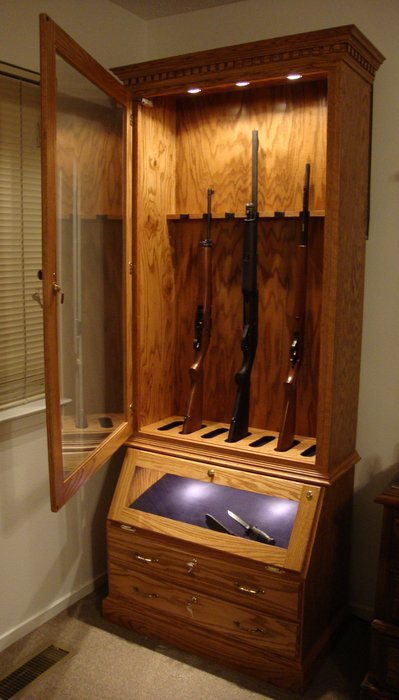
A gun cabinet, beyond its practical function of storing firearms, serves as a testament to responsible ownership, showcasing your collection while ensuring its safe and secure containment. Constructing your own wooden gun cabinet allows for customization, tailoring the design to your specific needs and aesthetic preferences. This article guides you through the meticulous process of building a custom wooden gun cabinet, equipping you with the knowledge to craft a secure and elegant sanctuary for your firearms.
1. Planning and Design:
a. Defining Your Needs:
The first step is to analyze your specific requirements.
Firearms Size and Quantity: Measure your largest firearm to determine the internal dimensions of the cabinet. Factor in the number of firearms you intend to store and plan the number of shelves and compartments accordingly.
Storage Accessories: Consider additional storage needs such as ammunition boxes, cleaning kits, scopes, and other accessories. Incorporate designated compartments or shelves to accommodate these items.
Aesthetic Considerations: Determine your preferred wood species, finishes, and desired design features.
b. Conceptualizing the Design:
Sketching out your envisioned cabinet helps visualize the layout and dimensions. Consider features such as:
Doors: Double doors offer greater access, while a single door might be more space-efficient.
Hardware: Opt for robust hinges and locks for security. Consider key-operated locks or electronic options for enhanced security.
Interior Layout: Design shelves, drawers, and compartments for optimal organization and access.
Exterior Aesthetics: Choose a style that complements your decor, whether it's rustic, modern, or traditional.
2. Material Selection and Preparation:
a. Lumber Selection:
Hardwoods: Opt for strong, durable hardwoods such as oak, cherry, walnut, or maple for their longevity and aesthetic appeal. These woods resist scratches, dents, and warping.
Softwoods: Pine or cedar offer a more affordable option, though they may require additional reinforcement for stability.
Plywood: Marine plywood is a suitable and affordable choice, offering strength and moisture resistance.
Consider the Thickness: Use at least ¾ inch thick lumber for structural integrity, especially for shelves and the base.
b. Preparation:
Drying: Ensure the wood is properly dried to prevent warping or cracking in the future.
Cutting and Shaping: Accurately cut and shape the lumber using a table saw, circular saw, or jigsaw.
Sanding: Sand the wood surfaces smoothly, using progressively finer grit sandpaper to prepare for finishing.
3. Construction:
a. Assembling the Cabinet Frame:
Joinery: Opt for strong joinery methods like mortise-and-tenon joints, dovetail joints, or pocket holes for secure connections.
Gluing: Use wood glue to bond the joints securely and clamp them until dry.
Screws or Nails: Use screws or nails for additional reinforcement, particularly for larger pieces.
b. Building the Shelves and Compartments:
Measure and Cut: Accurately measure and cut the shelves and compartments to fit the cabinet frame.
Installation: Secure the shelves using shelf supports, cleats, or dado joints.
Support: Ensure shelves are adequately supported, especially for heavier items. Consider adding bracing for larger spans.
c. Constructing Doors and Hardware:
Door Panels: Create the door panels using plywood or solid wood, constructing the frame with the chosen joinery methods.
Hardware: Install sturdy hinges and locks. Ensure the hinges are securely attached to the doors and the cabinet frame.
4. Finishing and Refinement:
a. Staining and Painting:
Staining: Apply a wood stain to enhance the natural beauty of the wood and create a desired colour.
Painting: For a different aesthetic, consider using paint in a colour that complements your decor. Apply multiple coats for a smooth and durable finish.
b. Protective Coatings:
Varnish: Apply a clear coat of varnish to protect the wood from moisture, scratches, and UV damage.
Polyurethane: Polyurethane provides a durable, water-resistant finish.
Wax: Apply a layer of wax for a subtle sheen and additional protection.
c. Additional Touches:
Hardware: Install decorative hardware like hinges, knobs, and pulls that complement the cabinet's style.
Labeling: Label compartments or shelves for easy organization and retrieval of firearms and accessories.
5. Installation and Security:
a. Placement: Choose a well-ventilated location with stable flooring. Consider anchoring the cabinet to the wall or floor for added security.
b. Security Measures:
Locking Mechanism: Ensure the locks are functional and robust, using high-quality keys and resistant to picking.
Fire Safe: Consider incorporating a fire-resistant lining or using a fire-safe cabinet for additional protection.
Alarm System: Integrate an alarm system to alert you in case of unauthorized access.
6. Maintenance and Care:
Regular Cleaning: Dust the cabinet regularly with a soft cloth to prevent build-up.
Lubrication: Lubricate the hinges and locks periodically to ensure smooth operation.
Inspection: Periodically inspect the cabinet for any signs of damage or wear.
Environmental Control: Keep the cabinet in a well-ventilated and dry environment to prevent moisture damage.
Conclusion:
Building a custom wooden gun cabinet requires careful planning, precise craftsmanship, and attention to detail. By adhering to these steps, you can create a secure, stylish, and personalized storage solution for your firearms, ensuring their safety and responsible preservation for years to come. Remember, a well-built cabinet is not only a practical necessity but also a testament to your commitment to responsible gun ownership.

Post a Comment for "Wooden gun cabinet diy: how to build a custom storage solution"