How to Build a Traditional Wooden Birdhouse for Small Birds
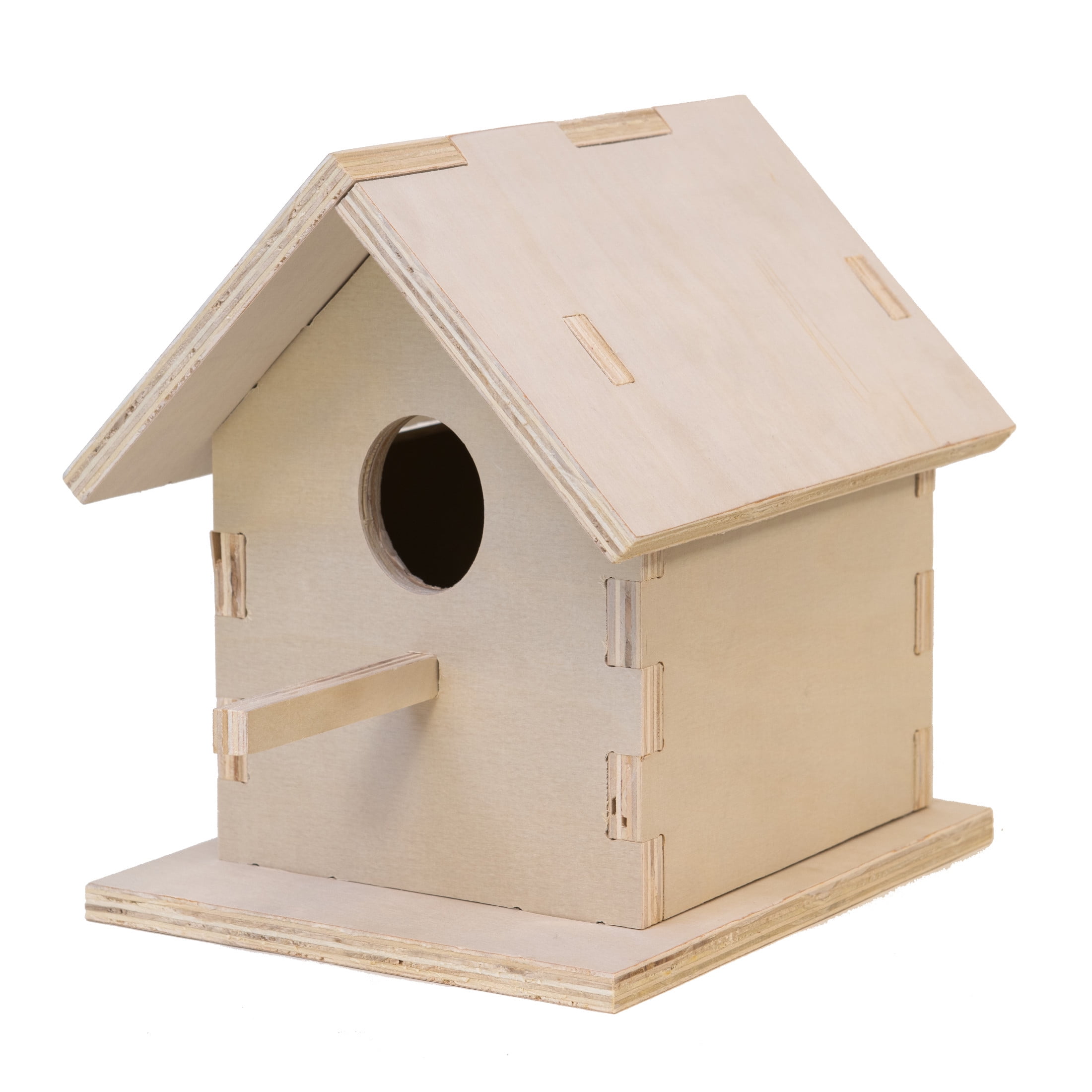
Building a Traditional Wooden Birdhouse for Small Birds: A Step-by-Step Guide
Hey there, bird lovers! Are you looking to add a touch of charm to your backyard and attract some feathered friends? Building a traditional wooden birdhouse is a fun and rewarding project that you can do with just a few basic tools and materials. It's a great way to connect with nature and provide a safe haven for small birds.
In this guide, I'll walk you through the process step-by-step, explaining everything you need to know from choosing the right wood to adding the finishing touches. So grab your tools, gather your supplies, and let's get started!
Choosing the Right Materials and Tools
Before you jump into building, it's important to have the right materials and tools at hand. Let's go through the essentials:
Wood
You can use various types of wood for your birdhouse. Here are some popular choices:
- Cedar: It's naturally resistant to rot and insects, making it a durable and long-lasting option. Cedar also has a pleasant aroma that may attract birds.
- Pine: A softwood that's easy to work with and relatively inexpensive. It's a good choice for beginners.
- Redwood: Another durable and weather-resistant wood, redwood is known for its rich reddish-brown color.
You'll need a piece of wood that's at least 1/2 inch thick for the sides, roof, and floor of the birdhouse. You'll also need some thinner wood for the entrance hole and for any decorative trim you might want to add.
Tools
- Saw: A circular saw or a handsaw will help you cut the wood to size.
- Drill: You'll need a drill with a variety of drill bits for creating the entrance hole and for securing the pieces together.
- Screwdriver: A Phillips head screwdriver is ideal for driving screws into the wood.
- Measuring Tape: Essential for accurate measurements.
- Pencil: For marking the wood before cutting.
- Hammer: For securing nails if you prefer them over screws.
- Sandpaper: For smoothing out any rough edges and giving the birdhouse a polished look.
Designing Your Birdhouse
Once you have your materials and tools ready, it's time to plan out the design of your birdhouse. Here are some key considerations:
Size
The size of the birdhouse should be appropriate for the species you want to attract. For small birds like chickadees, wrens, and bluebirds, a birdhouse with a 1 1/2-inch diameter entrance hole and an interior space of 4x4 inches is a good starting point.
Shape
Traditional birdhouses are typically rectangular, but you can get creative with the shape. Some popular options include:
- A-frame: This classic design provides good protection from rain.
- Gable roof: Similar to an A-frame, but with a slightly flatter roof.
- Flat roof: A simple design that's easy to build.
Location of the Entrance Hole
Place the entrance hole on the side of the birdhouse, about 6-8 inches from the bottom. This helps protect the nestlings from predators and the elements.
Building the Birdhouse: Step-by-Step Instructions
Now that you have your design in mind, let's get into the actual construction. Here's how to build a traditional birdhouse:
Step 1: Cut the Wood
Using your saw, cut the wood to the dimensions you determined for your birdhouse. You'll need four pieces for the sides, two for the roof, and one for the floor. Make sure to cut all the pieces to the same size.
Step 2: Assemble the Sides and Floor
Create the walls of your birdhouse by joining the four side pieces. You can use screws or nails to secure them together. Glue can also be used for added strength. Then, attach the floor piece to the bottom of the assembled walls.
Step 3: Cut the Entrance Hole
Use a drill to create the entrance hole in one of the side pieces. The hole should be centered about 6-8 inches from the bottom of the birdhouse.
Step 4: Attach the Roof
Cut the roof pieces to the desired size and shape. If you're going for an A-frame or gable roof design, cut the roof pieces at an angle to meet in the center. Then, secure the roof to the top of the walls using screws or nails.
Step 5: Create a Ventilation Hole
Drill a small ventilation hole in the back of the birdhouse to allow for air circulation. This will help prevent moisture buildup inside.
Step 6: Sand and Paint (Optional)
Once your birdhouse is assembled, sand down any rough edges and give it a smooth finish. You can then paint or stain the birdhouse to protect it from the weather and give it a more attractive look. Consider using non-toxic paints that are safe for birds.
Tips for Attracting Birds to Your Birdhouse
You've built a beautiful birdhouse, but now it's time to attract some feathered friends to call it home. Here are some helpful tips:
- Location: Place your birdhouse in a shaded, sheltered spot away from direct sunlight and strong winds. Birds prefer locations that are near trees or shrubs for cover.
- Height: Position the birdhouse 5-8 feet above the ground to deter predators.
- Cleanliness: Clean the birdhouse regularly, especially between nesting seasons, to remove old nests and debris.
- Provide Food and Water: Consider adding a bird feeder and birdbath near your birdhouse to attract more birds to your yard.
- Patience: It may take some time for birds to discover your birdhouse. Don't give up!
Enjoying Your Birdhouse
Building a birdhouse is a great way to connect with nature and provide a safe haven for small birds. You'll get to witness the wonders of nature up close, from the birds building their nest to the joy of seeing them raise their young. It's a rewarding experience that will bring you years of enjoyment. Happy birding!

Post a Comment for "How to Build a Traditional Wooden Birdhouse for Small Birds"